124 Supplements to the History
rum mention reminds me of what Aristotle recounted in his *History of Animals*: namely, that on the island of Lemnos, a male goat had twin teats near its genitals from which so much milk flowed that colostrum could be made from it.
But there is a more recent case, which Saint Francis Xavier relates in the third letter of his second book, as reported by the Jesuit Juan Eusebio in his *Histories of Nature*. These are the words of Saint Francis from the original letter, written in his own hand in the Spanish language, which is preserved in the College of the Society of Jesus in Madrid: "On this island of Ambon, I saw something incredible and previously unheard of, which perhaps might be worth noting: I saw, I say, a male goat nursing young kids with its own milk. From a single teat located near its genitals, it yielded as much milk every day as a small bowl can hold." To confirm this, the Jesuit Juan Eusebio adds that he himself saw with his own eyes a sterile mule that nevertheless nourished a small foal, which a certain donkey had birthed, with a plentiful supply of milk.
*ON THE LAMB*
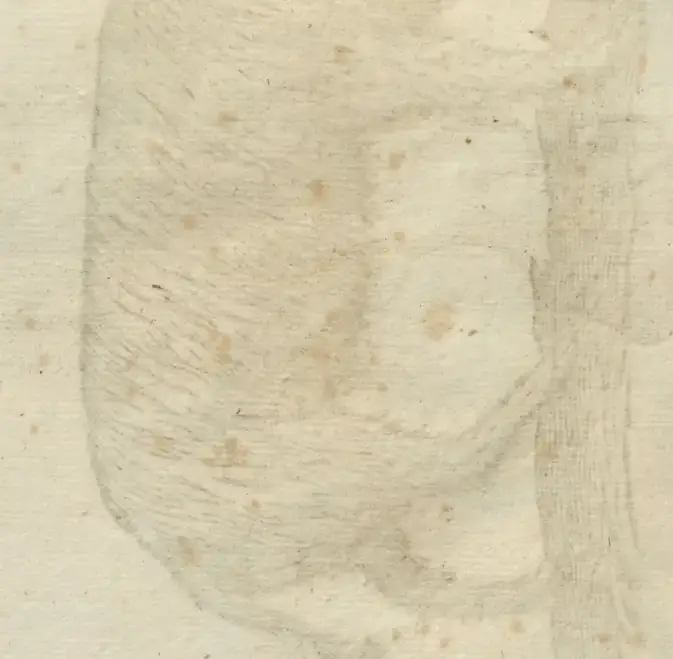
Much has been written about this animal in the volume on Cloven-hoofed Quadrupeds, to which we refer the reader. Here, we shall only review some things concerning the entrails of this animal, which we find were once considered delicacies among the ancients, as seen in Plautus's *Pseudolus*. For this reason, we provide an illustration of them, drawn from both the front and the back.